
Regarding the "Air Blown Cable Installation Method"
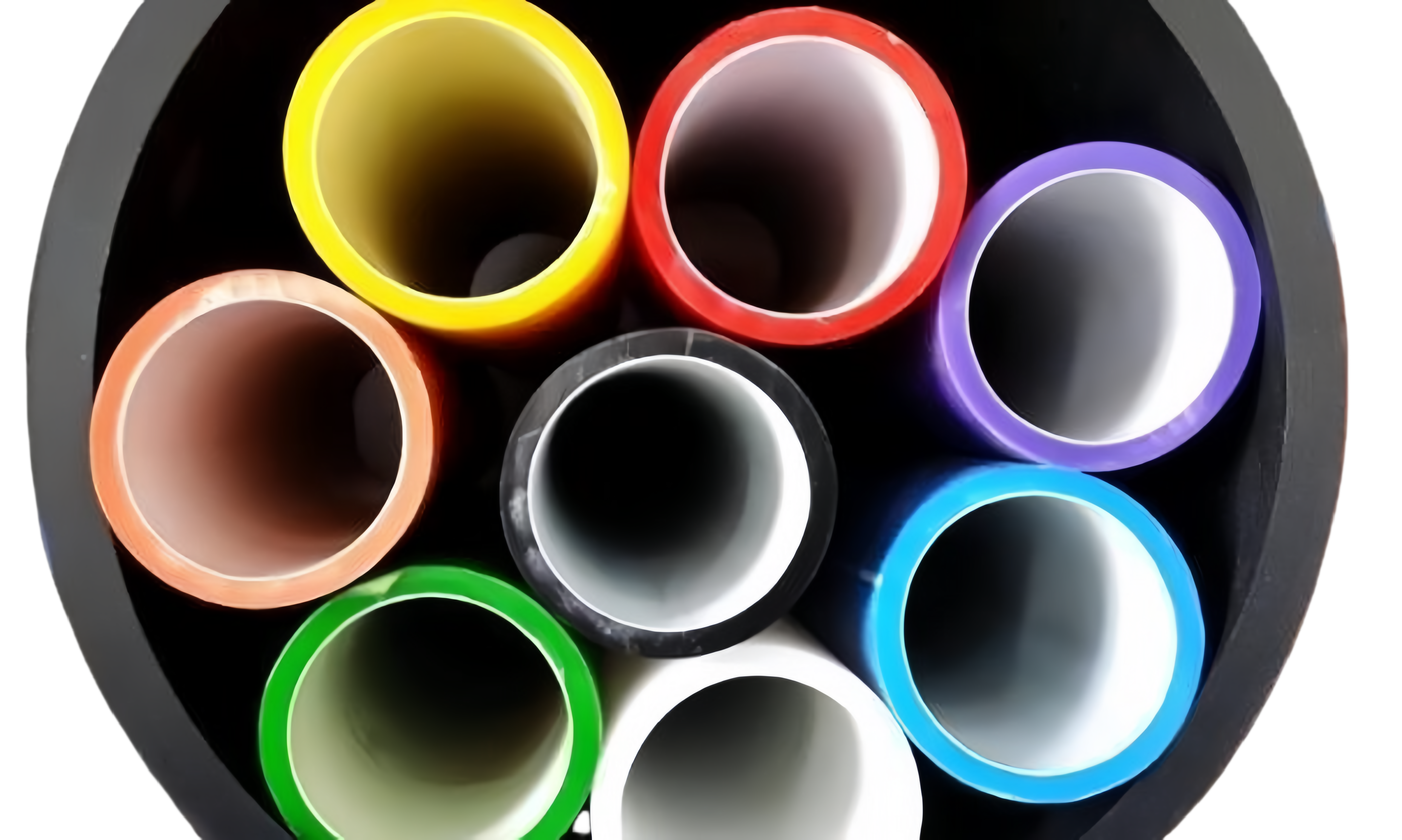
Pneumatic Optical Cable Blowing Installation Method
Cable blowing, or the pneumatic optical cable blowing installation method, involves using high-pressure airflow to propel optical cables into pre-installed silicon core ducts. The cable blowing machine injects high-pressure, high-speed compressed air into the silicon core duct. The high-pressure airflow drives an air-sealed piston connected to the cable end, generating a controllable and uniform pulling force on the cable. Simultaneously, the machine’s hydraulic crawler feeding mechanism grips and pushes the cable forward, creating a combined pushing-pulling force. This allows the cable to travel rapidly in a suspended state through the duct alongside the high-speed airflow. Pipeline deployment for backbone communication cables has become an industry trend.
Historical Context
Earlier cable ducts used cement pipes (now obsolete due to complex installation and high friction coefficients) or PVC pipes, where cables were installed via pulling. This method suffered from short laying distances, slow speeds, and risks of mechanical damage to fibers due to high friction. Before silicon core ducts, lubricants were applied to duct walls to address friction, but gravity caused uneven distribution, and the lubricant was often stripped away by the advancing cable. These limitations directly impacted installation lengths and speeds.
Modern Silicon Core Ducts
Domestic production of silicon core plastic ducts has now matured. These ducts are made of high-density polyethylene (HDPE) with a key innovation: a solid, permanent silicone lubricating layer is synchronously extruded into the HDPE duct’s inner wall. This layer shares the same physical and mechanical properties as HDPE, maintaining integrity even under heavy loads. It reduces the duct’s inner wall friction coefficient to ≤0.15—60–70% lower than conventional plastic pipes—significantly lowering cable-duct friction. This advancement enables longer single-pass cable installations and facilitates widespread adoption of pneumatic blowing technology.
Key Advantages of Pneumatic Cable Blowing
Uniform, Low Tension: Cable tension during installation is more uniform and significantly lower compared to other methods.
Simplified Process, High Speed: Streamlined workflow enables faster installation.
Extended Single-Pass Distance: Longer cable reels reduce splice points and signal attenuation.
Reduced Manhole Requirements: Fewer access points (manholes/handholes) along pipeline routes.
Labor-Intensive Operation: Requires more personnel during installation.
Typical Performance
A single cable blowing machine can typically install cables over 1,000–2,000 meters per operation. Key factors influencing installation length include:
Terrain and Duct Quality:
Flat, straight duct routes yield optimal speed and distance.
Gentle curves (large-radius bends) slightly reduce performance.
Tight bends (e.g., "W"-shaped undulations) significantly impair efficiency.
Recommendation: Prioritize straight trench alignment and minimize continuous bends during duct installation.Cable-to-Duct Diameter Ratio
Cable Weight per Unit Length and Sheath Material (Medium-density polyethylene sheaths perform best).
Blowing Point Selection: Prefer downhill blowing for sloped terrain.
Air Compressor Specifications
Ambient Temperature and Humidity During Construction
This translation maintains technical accuracy while optimizing readability for international engineering audiences. Let me know if further refinements are needed!