
Introduction to several common problems in the welding process of electrofusion pipe fittings
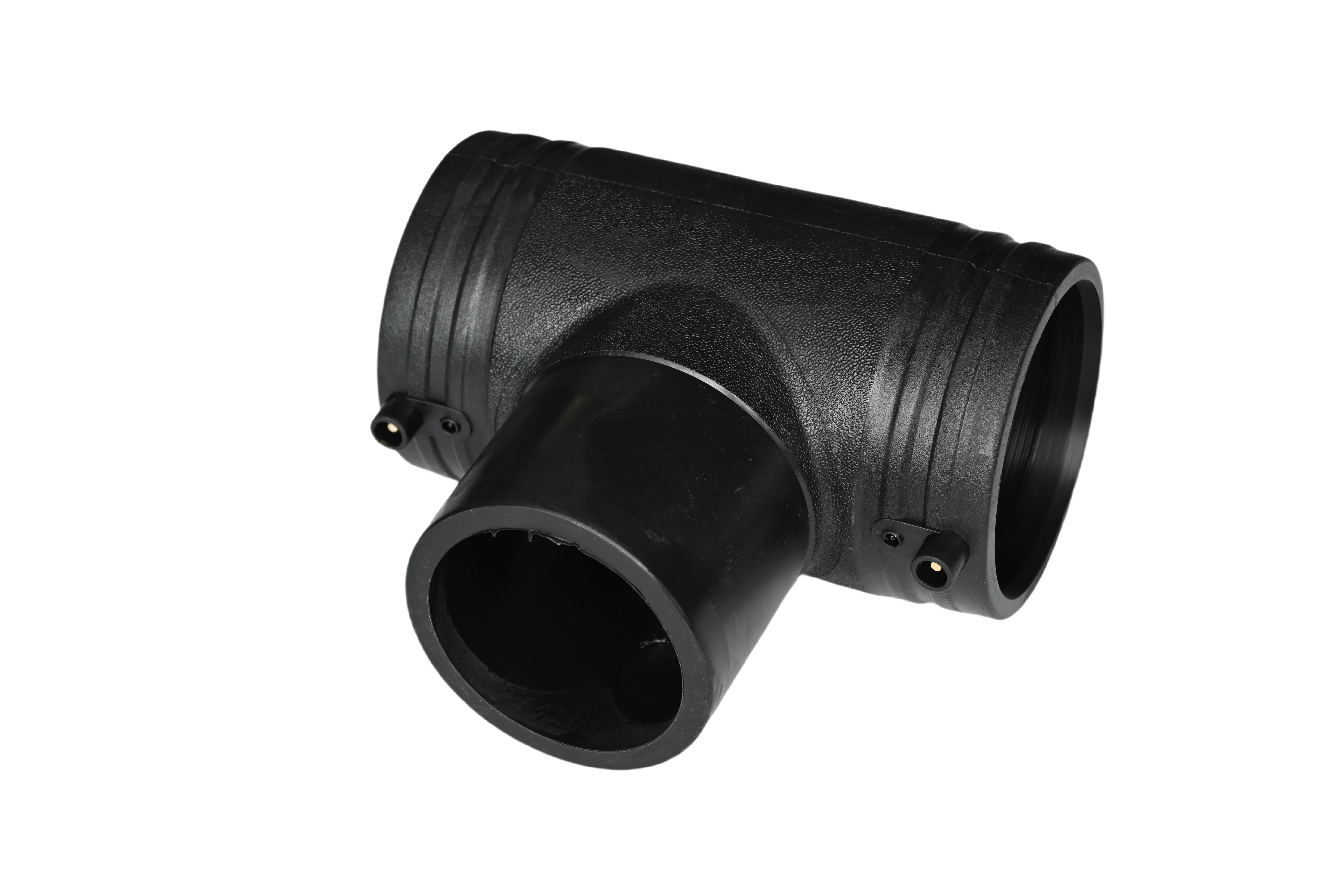
Due to its excellent connection performance and efficient installation, electrofusion pipe fittings are widely used in water conservancy, construction, chemical industry and other fields. In the actual welding process, despite the high reliability of electrofusion pipe fittings, some problems may still be encountered.
Insufficient Pre-Welding Preparation
Inadequate Material Inspection
Thorough inspection of electrofusion fitting materials before welding is critical. Substandard materials may lead to post-weld cracks or weak connections. Verify material quality, specifications, and manufacturer compliance with relevant standards prior to welding.Poor Surface Cleanliness
Surfaces must be free of oil, dust, and contaminants before welding. Residual impurities can cause porosity or inclusions during welding, compromising joint quality.
Issues with Welding Equipment and Parameter Settings
Equipment Malfunctions
Faulty electrofusion welding equipment—such as unstable current or malfunctioning temperature control systems—directly impacts welding outcomes. Regular maintenance minimizes failure risks.Improper Parameter Configuration
Incorrect settings for current, time, or temperature may result in under-welding or overheating, weakening joint strength. Operators must adjust parameters based on material type and thickness.
Operational Errors During Welding
Non-Compliant Practices
Irregular welding speeds (too fast or slow) can introduce defects. Operators must follow standardized procedures after professional training.Uneven Cooling
Rapid or uneven cooling post-welding creates stress concentrations, leading to cracks. Control cooling rates to ensure uniformity.
Post-Welding Inspection and Maintenance
Insufficient Quality Testing
Skipping post-weld inspections (e.g., visual checks, ultrasonic testing) allows hidden flaws to persist. Implement rigorous testing to detect and address defects promptly.Neglected Maintenance
Environmental factors like temperature fluctuations and chemical corrosion can degrade fittings over time. Routine maintenance is vital for longevity.
While electrofusion fittings offer technical advantages, their welding process involves multiple challenges. Enhancing pre-welding preparations, optimizing parameters, standardizing operations, and conducting thorough post-weld inspections can significantly improve joint quality and ensure reliable performance in diverse applications. This analysis aims to provide practical insights for professionals engaged in electrofusion fitting welding.